HOME ENERGY STORAGE / AUSTRALIA

Home storage.
Planned around you.

Add a matched LFP battery to a compatible existing system, or plan a new all-in-one installation. Start with your inverter, equipment-room conditions and the loads you want to support.

One home. A considered system.
Integrated storage or a battery for your inverter.

EU 230 V — INSTALLATION ILLUSTRATION
INSTALLATION ILLUSTRATION01 / 03
INSTALLATION ILLUSTRATION
INVERTER INCLUDEDEU 230 VIntegrated battery + inverter

SMALLER FOOTPRINT.
GREATER POSSIBILITIES.

07Product families
29Listed configurations
5.12–48 kWhNominal energy across the collection
Product tour

Product tour

One home. A considered system.

Integrated storage or a battery for your inverter.

RESIDENTIAL ENERGY STORAGE / AUSTRALIALFP
All products

01 TWO WAYS TO STORE

Start with your setup.

A new installation or an existing inverter.
Choose your starting point.

TR PRO / MATERIAL & FORM
01 — ENCLOSURE / FRONT ELEVATIONPRODUCT DETAIL

03 LOOK A LITTLE CLOSER

Details you can
build around.

Start with the chemistry. Check the voltage. Specify the enclosure. Every good installation begins with a clear understanding of the product.

LiFePO₄
LFP battery chemistry
51.2 V
TR Pro nominal DC voltage
IP66
TR Pro enclosure rating
CAN / RS485
Communication interfaces
See TR Pro specifications

Different climates. A specific place for your battery.

Australia spans tropical, subtropical and temperate climates. A warm northern equipment room, a summer-heated garage and a cooler southern or elevated location need different checks at the actual battery position.

01

Summer heat · garage or dedicated utility room

Building materials, roof heat and afternoon sun can change the conditions inside a garage even when the outdoor forecast appears acceptable.

Record the hottest expected temperature at the unit and retain the selected manual's cooling and service space. TR Pro lists charging 0 to 55 °C; that upper boundary is not a full-power guarantee. Confirm HP Ultra temperature limits and any output derating for the selected configuration.

Does the room trap afternoon or roof heat?
  • What temperature and output derating apply to this exact configuration?
  • Can cooling and service space remain clear after installation?
02

Tropical north · humidity and actual exposure

The Bureau of Meteorology describes the tropical north, including Cairns and Darwin, as generally warm and humid, with wet and dry seasons. The indoor location still needs its own exposure assessment.

Choose a dry, protected location assessed for condensation, water entry and coastal exposure. EU all-in-one is IP21; TR Pro and HP Ultra list IP66. An IP rating alone does not establish suitability for condensation, floodwater or salt-laden air.

Is the room dry through the wet season?
  • Can water, condensation or coastal salt reach the equipment?
  • Does the exact model's placement guidance cover the proposed environment?
03

Cooler winter location · southern or elevated home

Temperate locations such as Melbourne and Hobart have distinct seasons. Check an unheated garage or outbuilding independently from the temperature in the occupied home.

If the battery position can fall below 0 °C, confirm the exact charging protection and any selected heating option. TR Pro lists charging 0 to 55 °C and discharging −20 to 60 °C; its optional self-heating must be confirmed. HP Ultra limits need configuration-specific confirmation.

Can the battery position fall below 0 °C while charging?
  • Is heating included and confirmed for this exact model?
  • Does the equipment room stay dry during cold-to-warm changes?
Specifications
  • Choose the architecture first: EU and TA6000 include an inverter. Battery-only TR, HP and TB families require a compatible external inverter with confirmed voltage, current and communication settings.
  • Check charging and discharging limits separately. Optional heating and a general operating-temperature field do not establish universal subzero charging; a maximum temperature does not promise full output at that temperature.
  • Use the exact enclosure rating and placement instructions. IP21, IP20, optional IP54 and IP66 are different source ratings; none alone establishes resistance to condensation, flooding or coastal salt spray.

02 THE COLLECTION

Storage. Clearly specified.

Seven families. Three installation formats.
Compare the details that matter.

3 product families

TR Pro.

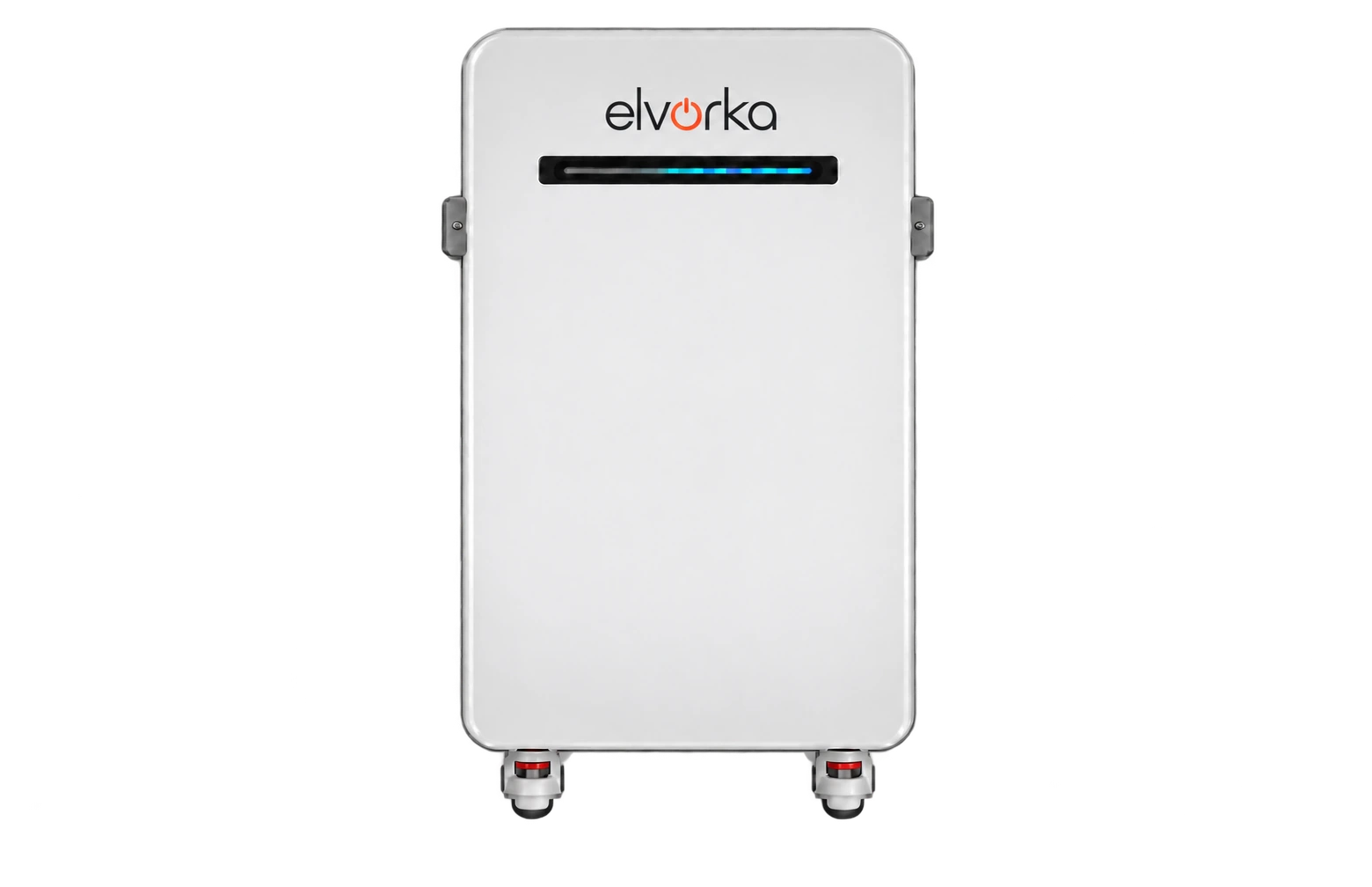
Wall-mounted. Thoughtfully contained.

10.24 / 16.076 kWh

LFP battery storage in a wall-mounted format, with three specified models and an IP66 enclosure. Pair with a compatible external inverter.

Explore all product details ↗

EU 230 V.

An integrated starting point.

10.24 / 16.076 kWh

An integrated inverter and 51.2 V LFP battery system. Three listed power-and-capacity configurations, with rated AC output of 6.2 or 12 kW.

Explore all product details ↗

HP Ultra.

Storage with room to grow.

8–48 kWh

A modular aluminium-alloy LFP battery stack. Six specified configurations from 8 to 48 kWh, for integration with a compatible external inverter.

Explore all product details ↗

Confirm configuration, project suitability, inverter compatibility and supply arrangements before ordering. Local approval, VPP participation and incentive eligibility require separate confirmation.

Your setup matters. Battery-only products require a compatible external inverter.

Download the full collection

PRODUCT DETAIL / ORIGINAL LITERATURE

Every side.
Every connection.

Look beyond the headline specifications. Explore original product views, labelled interfaces and details for each family.

05 KNOW YOUR ESSENTIALS

Explore
your backup.

Start with the essentials you want to keep running. Adjust the load and battery size to explore an indicative backup duration.

Battery energy is measured in kWh.
Appliance power is measured in kW.
Your inverter must support the load.

Inverter included in all-in-one systems; external for battery-only products.

BACKUP EXPLORERYOUR ESTIMATEWatt / kW
10.24 kWh
1.0 kW
0.2 kW5.0 kW
Illustrative planning allowances, not measured household averages or guaranteed runtime. Replace with actual simultaneous loads and check compressor starting demand, battery DC capability, inverter AC output and backup-capable circuits.
INDICATIVE BACKUP
8.3hours
How this estimate works

Nominal battery capacity × 90% assumed usable depth × 90% assumed inverter efficiency ÷ average load. These are planning assumptions, not guaranteed product ratings. Actual backup varies with usable energy, temperature, battery age, standby use and load changes. Starting currents and inverter limits must be checked separately.

Use this in my project

OUR PRODUCTS / AT HOME

A clearer path to your home battery.

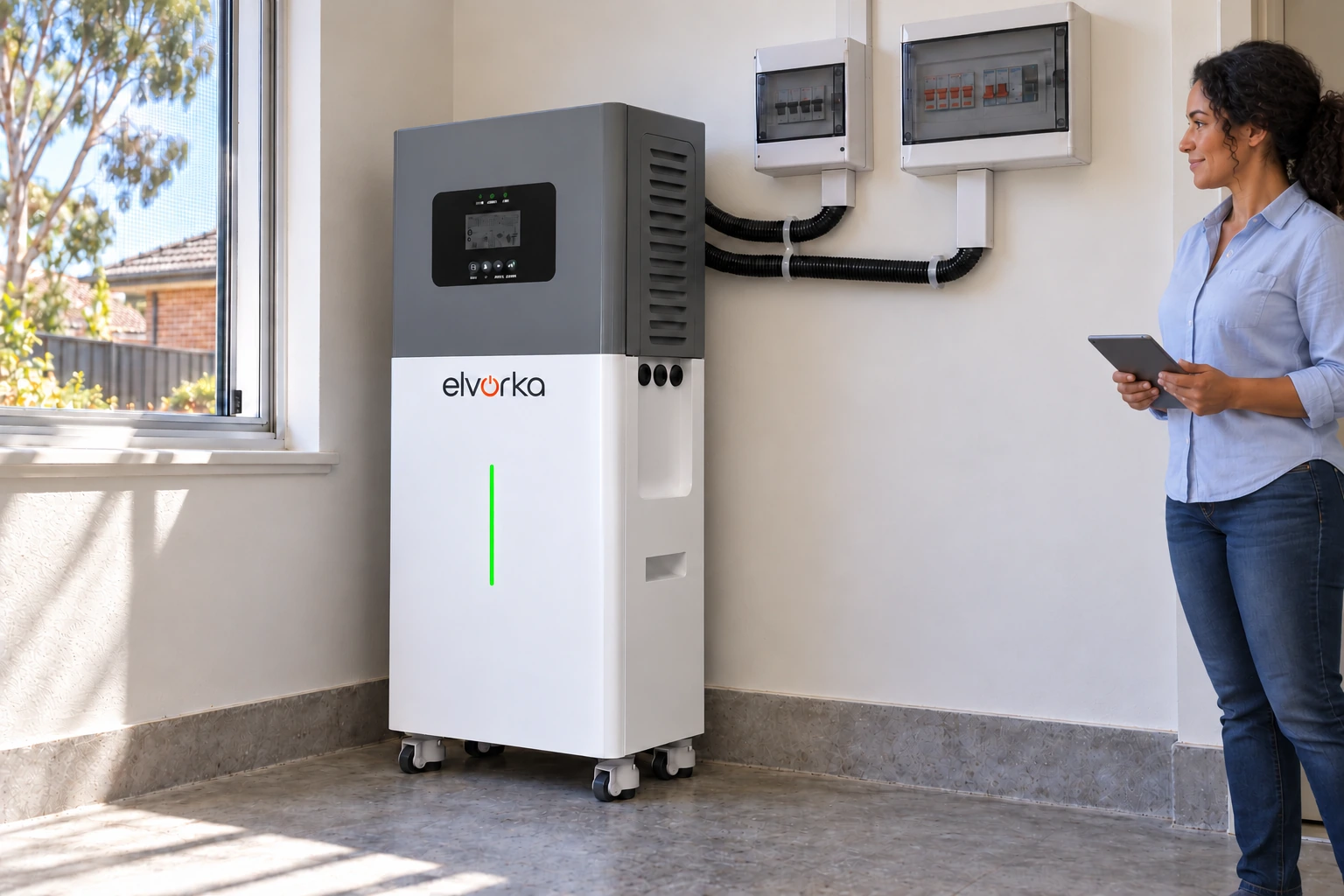
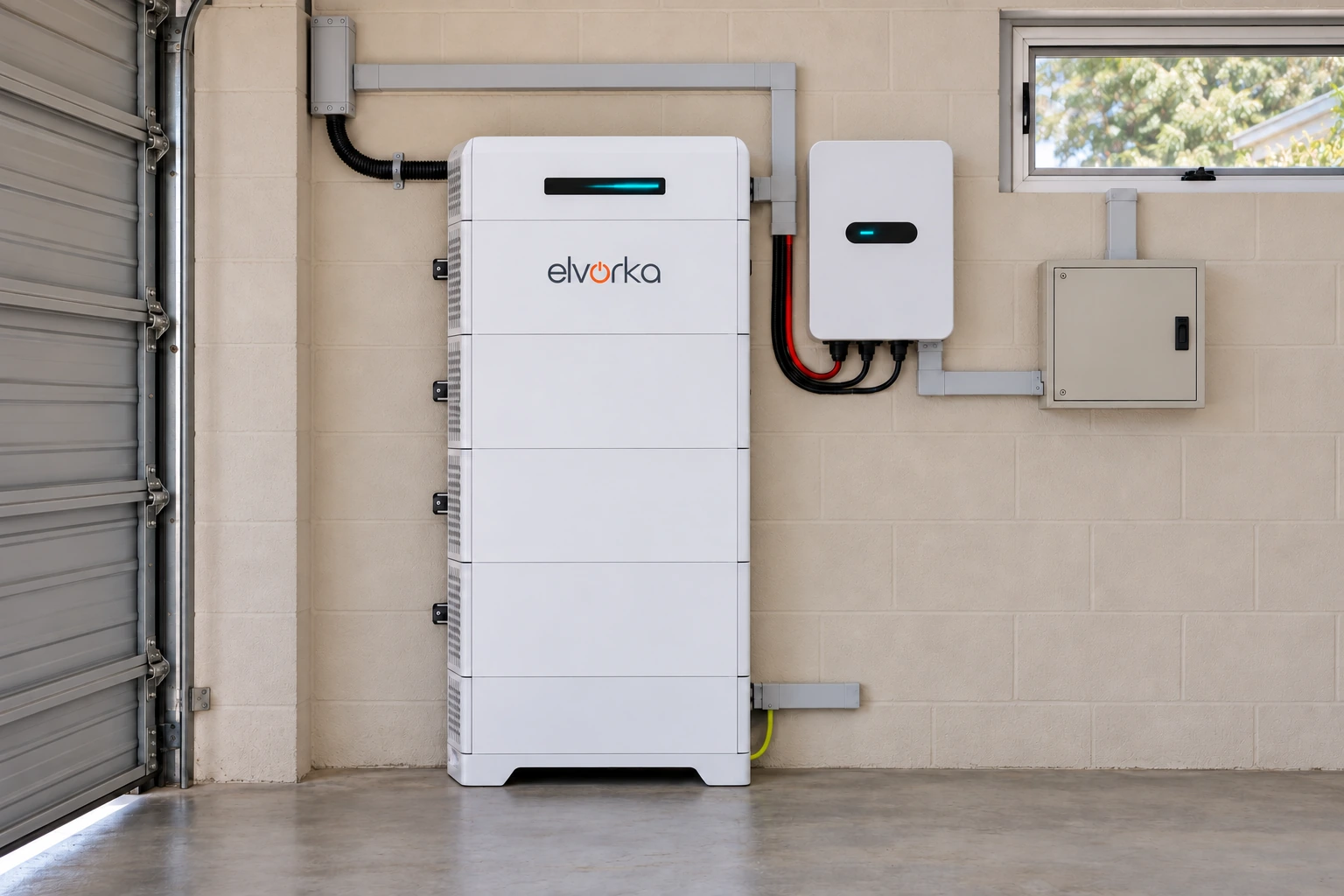
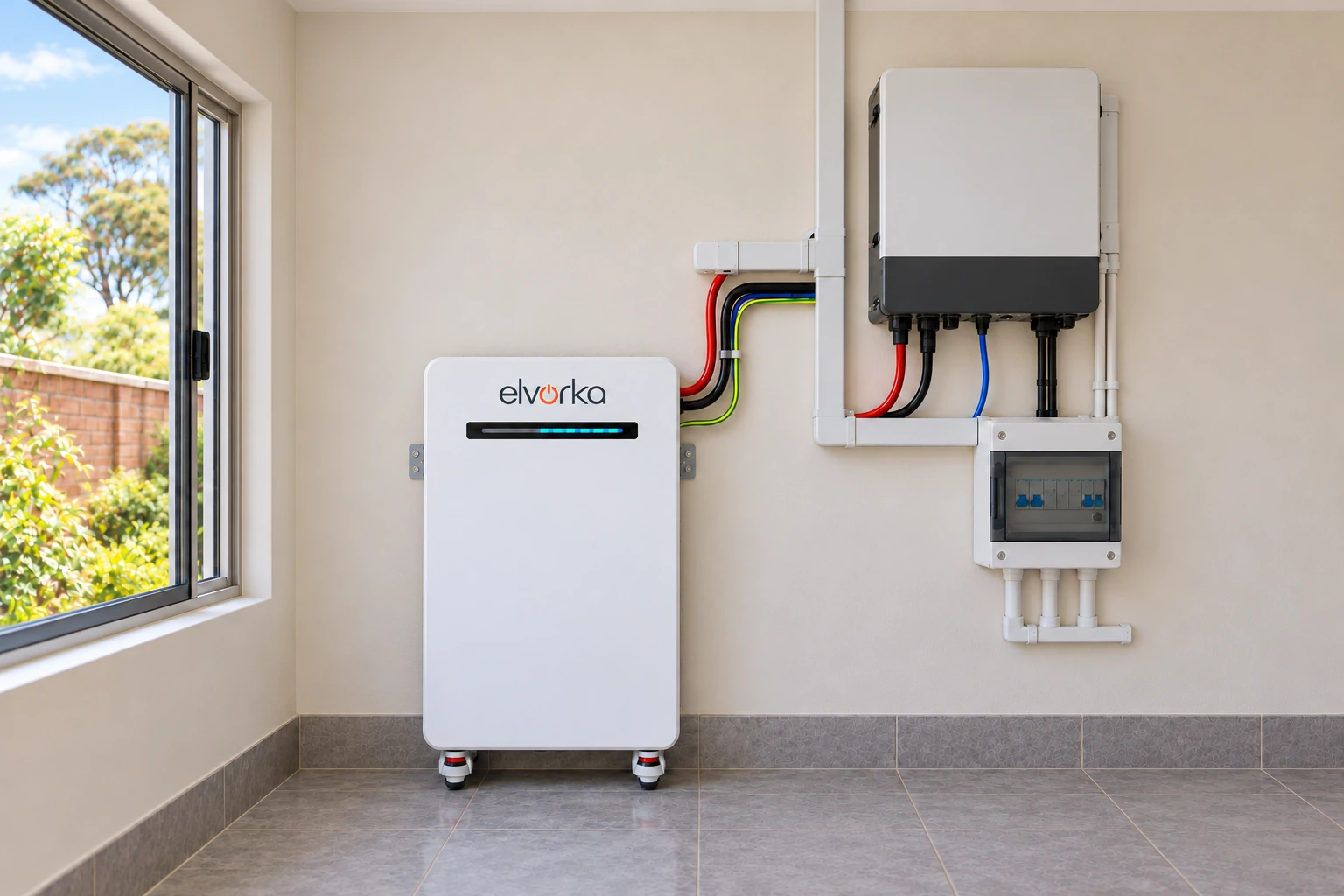
For Australian homeowners and installation professionals comparing storage: resolve the system match, indoor placement and selected backup circuits together. The scenes illustrate applications; they are not completed local customer projects.

EU 230 V / INVERTER INCLUDED

Add storage to an existing system.

Compare the battery voltage range, current limits and supported communications against the exact inverter model and firmware. An existing solar installation does not by itself establish battery compatibility.

HP ULTRA / BATTERY ONLY

Plan a new all-in-one installation.

EU and TA6000 combine storage with an integrated inverter. Confirm the selected AC configuration, phase requirements, placement and project documentation without adding a second inverter to the all-in-one design.

TR PRO / BATTERY ONLY

Separate essentials from large loads.

Define the refrigeration, lighting, connectivity and selected cooling loads you need. Use the Watt explorer as a planning estimate, then check starting demand and the required backup circuits.

Installation illustrations featuring products from this collection. Scenes are composites, not photographs of completed customer projects. Visible layouts are illustrative; final connections, protection and clearances follow the selected model’s installation manual and site design.

06 KNOW YOUR SYSTEM

Choose with clarity.

elvorka product collectionEnglish · PDF · 8 pagesPDF
Original product collection · English PDF ↘

Good questions.
Straight answers.Start with the system you have.
Choose the storage you need.

What should I confirm before adding a home battery in Australia?

Confirm the exact battery and inverter pairing, phase arrangement, placement conditions, project documentation and backup design. If you intend to join a VPP, check the exact equipment, firmware and provider requirements separately; this catalogue does not establish compatibility, scheme eligibility or approval.

Can I connect a 51.2 V battery to my existing inverter?

A nominal voltage match alone does not confirm compatibility. Your installer should verify the inverter’s DC voltage window, charge and discharge current, CAN or RS485 protocol, firmware and protection settings. High-voltage batteries must not be connected to a low-voltage inverter.

What should be checked for a project in Australia?

Confirm the installation’s AC supply, inverter phase requirements, essential-load circuits and local electrical requirements. The EU integrated range lists 230 V AC and 50 / 60 Hz. TA6000 lists 120 V US and 230 V EU options; specify the required market configuration. The project’s backup circuits and protection requirements need installer review.

Can these batteries be installed outdoors?

TR Pro and HP Ultra list IP66 enclosures. Other families have different or optional protection ratings. An IP rating alone is not an installation instruction: check the selected model’s temperature limits, clearances, shelter, ventilation and installer requirements.

Does more battery capacity mean more output power?

No. Capacity in kWh describes stored energy. Power in kW describes the rate energy can be delivered. Battery-side DC ratings and inverter AC output are different. Both the selected battery configuration and inverter must support your operating and starting loads.

How do I confirm price, warranty and availability?

Prepare a project brief with your city, required loads, existing inverter and selected product. Ask your supplier to confirm the exact configuration, quotation currency, warranty terms, installation scope, delivery timing and after-sales arrangements in writing.

Can I add one of these batteries to my existing inverter?

Only after checking the exact inverter model and firmware against the battery voltage window, current limits and communication protocol. A battery-only product needs a compatible external inverter; an existing system or a matching nominal voltage alone does not establish compatibility.

Will this battery work with my VPP or qualify for an incentive?

Confirm the selected equipment and firmware with the specific provider or programme before ordering. VPP control, operating requirements and participation terms are separate checks. This catalogue does not promise VPP compatibility, eligibility, savings or local approval.

Can one placement suit both summer heat and winter cold?

Assess the full expected temperature range, humidity and exposure at the battery position. Several families list charging from 0 °C, and heating is optional only where specified. Confirm the selected model's limits, protection, ventilation and any derating rather than relying on a national climate average.


Your next chapter

Start with your setup.

YOUR NEXT CHAPTER

Let’s plan
your system.

Tell the story of your home. Prepare a clear project brief to share with your installer or storage supplier.

YOUR HOME. YOUR ENERGY.

Contact the Founder

eric@elvorka.com

Share your city, selected circuits, battery model and installation environment. Availability, electrical configuration and project requirements are confirmed by enquiry.

Your submitted details are saved for the ELVORKA team to review and follow up. Please avoid including passwords, identity documents or unrelated sensitive information.

ELVORKA

A clearer view of home storage.

Practical reading for choosing battery capacity, checking equipment-room conditions and preparing a useful installation brief.